
Automotive PCB Manufacturing
Electronic control units, sensor interfaces and in-cabin electronics built to survive vibration, temperature swings and years of duty cycles.
Overview
What automotive boards have to handle
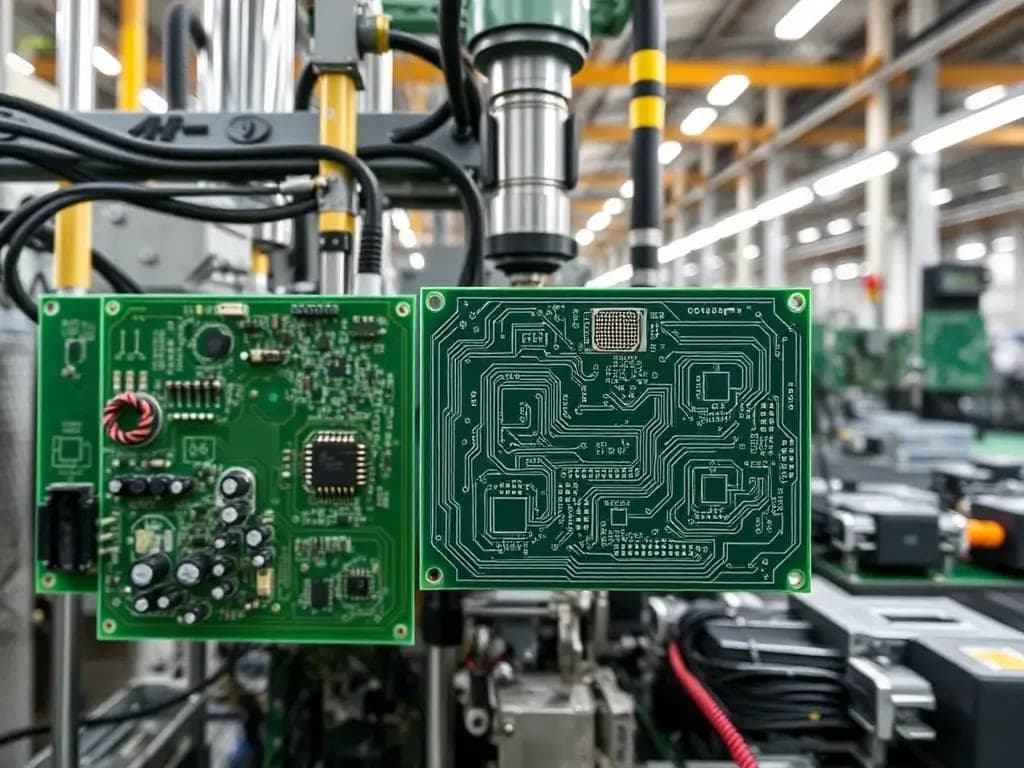
Automotive boards live through years of vibration, thermal cycling and humidity, often mounted close to engines or sealed into modules that are never serviced. That puts the weight on material choice (high-Tg laminates for heat), robust plating in vias and through-holes, and a quality system built for automotive traceability.
Typical PCB requirements
- Wide operating temperature range
- Vibration and mechanical shock resistance
- Quality systems audited to IATF 16949
Typically specified
IPC Class 2/3
Plus the IPC-6012DA automotive addendum
Industry convention — the class on your drawing always governs.
Board technologies
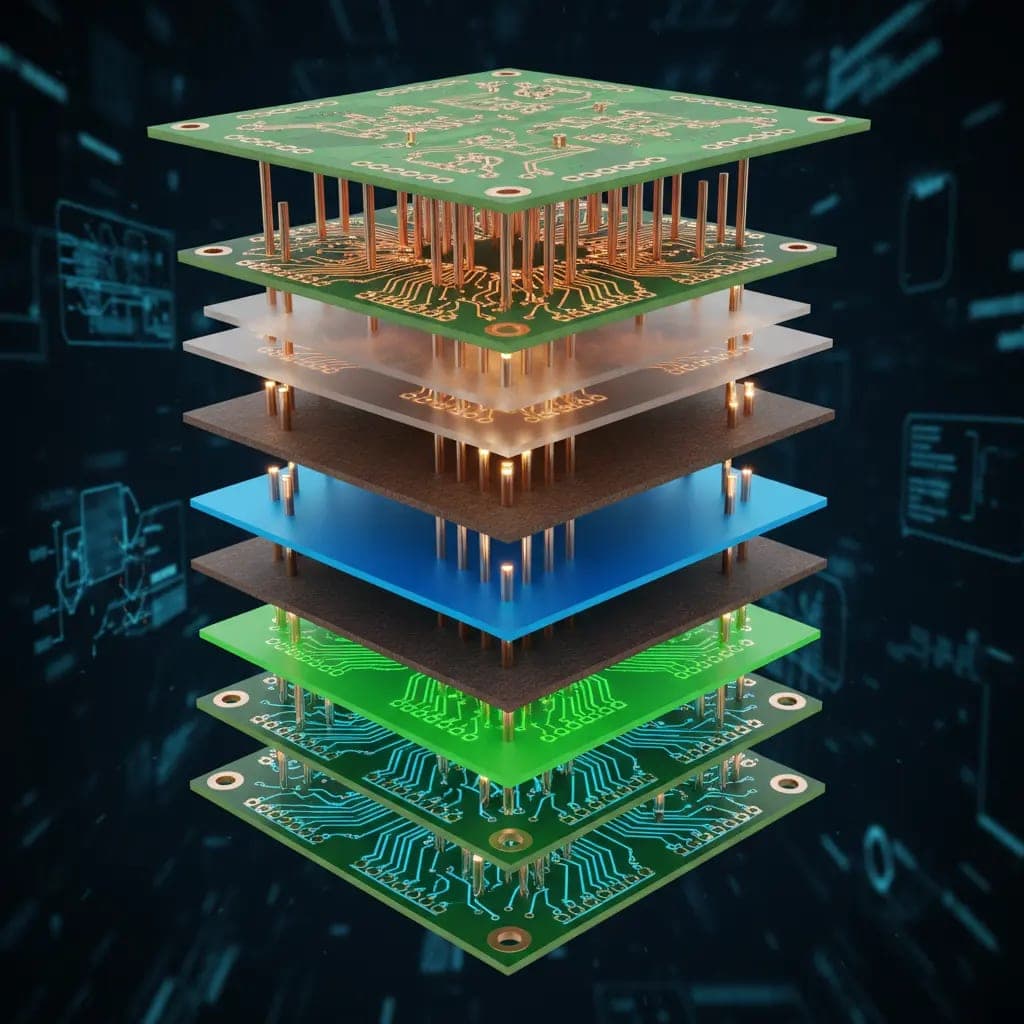
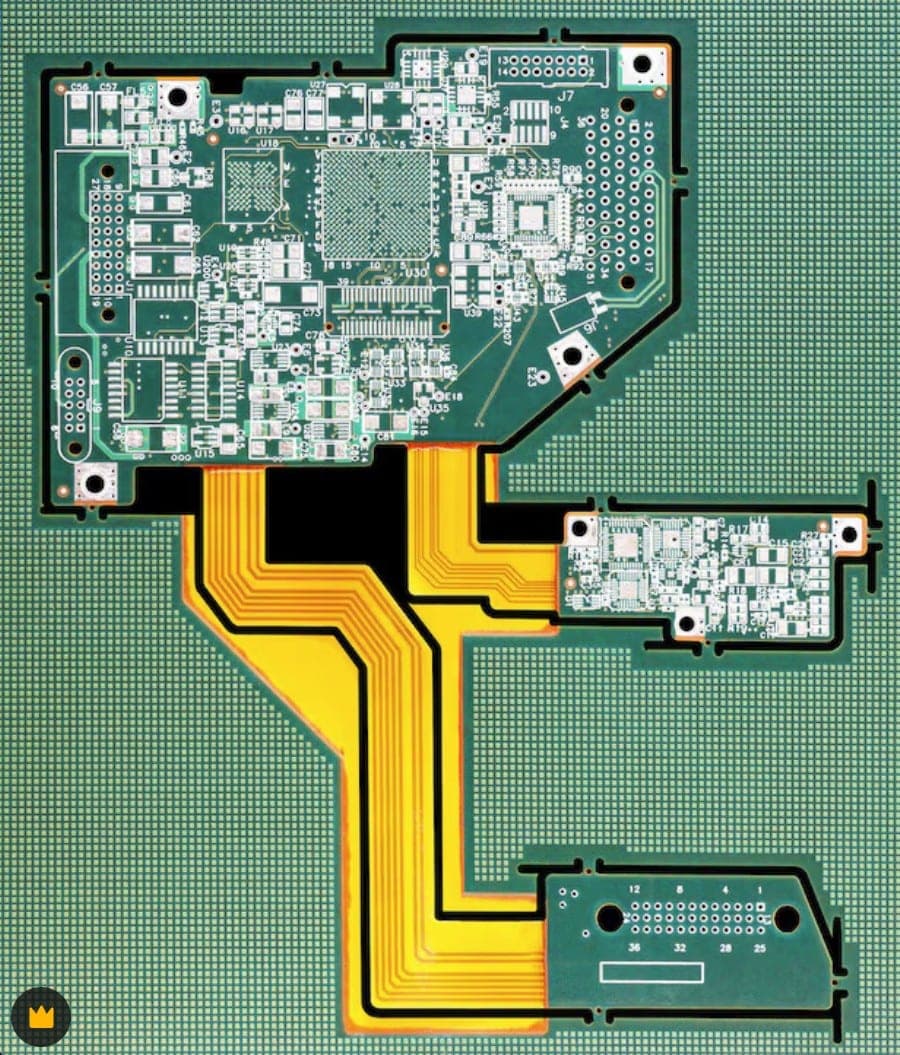
Technologies often used in automotive
Each links to its own page with the technical characteristics we publish.
Building automotive electronics?
Send your files and requirements — engineering reviews the build against the class and standards your application needs.